



Previously, you had to go to the office of a bank, insurance company or broker for financial services. Now a couple of clicks are enough, and more and more often not even in a banking application: insurance can be taken out when buying a product, and a loan – directly on the marketplace.
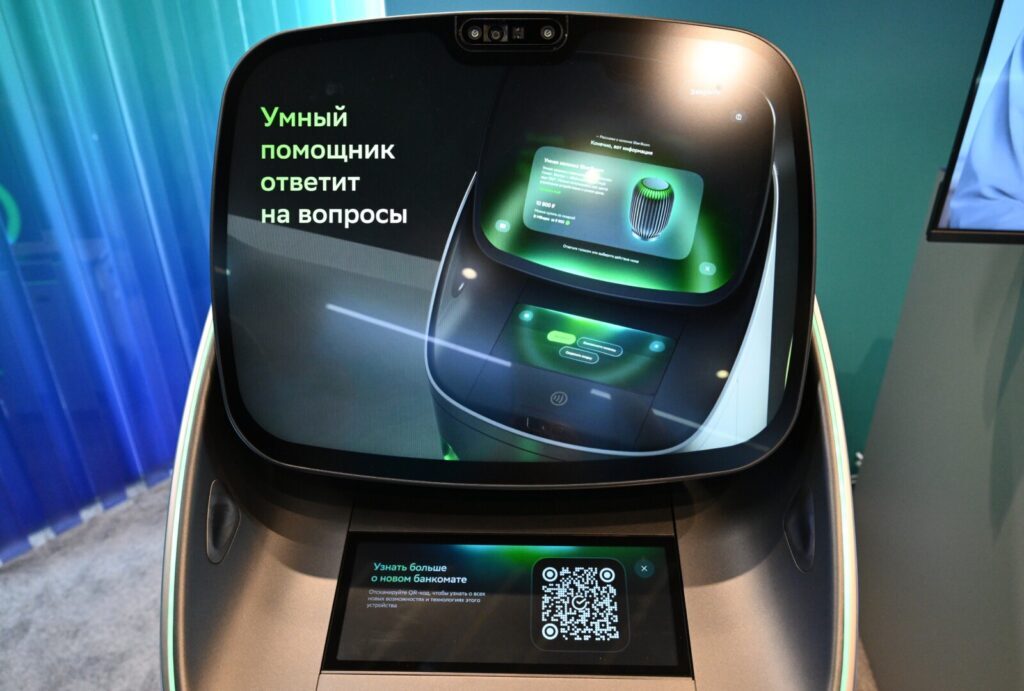
It would seem that the next step is the final departure online. However, we see the opposite trend. In the UK, NatWest is investing in a network of branches, in the US, JPMorgan Chase plans to open more than 160 new offices in 2026, and in Russia, large banks are in favor of maintaining bank offline. I consider this turn natural: the more a person faces digital services and AI, the more valuable the opportunity to talk with a specialist in person.
In my opinion, the financial business is based on two things – data and empathy, that is, understanding the client. Information about purchases and behavior of people is collected by both banks and marketplaces. But what matters is not so much the amount of data as their reliability and ability to use it. The massive use of AI creates an additional problem: errors accumulate in information flows. Therefore, financial institutions will have to invest more seriously in the verification, storage and processing of information, including through solutions based on a distributed registry.
The second advantage of banks is live communication. It does not have to take place in the traditional department: you can meet with clients in cafes, restaurants, sports clubs and other familiar places. But it will not be possible to turn automatically points of issue of marketplaces into bank offices: there is a different service model and other customer expectations. Online platforms are able to compete with banks in collecting data, but building trust through personal communication is more difficult for them.
In the future, quality data will become an even more valuable financial asset. I see potential in tokenizing them and attracting investment through regulated digital financial assets (DFAs). This would allow attracting clients not only as buyers of services, but also as co-investors of technological projects – in the field of AI, blockchain and biotechnology. At the same time, the future of the financial sector will depend not only on new technologies, but also on the ability to return full-fledged human communication to business relations.

By Konstantin Cerazov, economist, independent expert in the field of AI technologies