



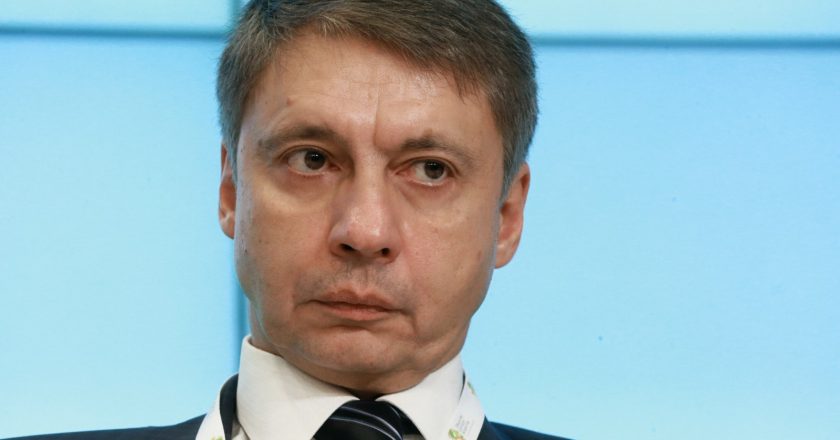
 Alexander Safonov, Vice President of the Academy of Labor and Social Relations, believes that the Finance Ministry’s and Central Bank’s idea to introduce a pension tax will not be successful and may trigger more widespread poverty, according to the U74 portal.
The Finance Ministry and the Central Bank of Russia have long discussed a bill that would introduce a 6% tax on individual income, to be transferred to non-government pension funds. The finance authorities argue that this method will allow people to increase the amount of their future pension. One may also opt out of paying the pension tax by filling out a special application.
Alexander Safonov fears that the new bill would drag Russians into poverty. This concept is in many ways a replica of the American Plan 401(k), the most popular pension plan in the United States. Americans voluntarily transfer their money to a non-government pension fund and they can also withdraw the money until reaching the retirement age. The savings are not subject to taxes.
“However, in the United States 60% citizens under 40 have zero balance because young people do not want to save money for a rainy day (we have a similar situation in Russia). This is the main subject of discord in the discussion between the ministry and the bank in the past two years,” the expert noted.
Safonov believes that in Russia this plan will not be successful because the savings will not be enough. Minimum wage is already subject to 13% tax, which brings it below the subsistence level.