



Dmitry Gachko graduated from Saint-Petersburg State University of Economics where he specialized in economics, yet he never worked a single day in that area. He chose to be a computer specialist and a system administrator. For a long time, he worked at Peter Service. He then realized that some works performed within the company could be services rendered to outside clients. His ideas were not appreciated in the company, so in 2008 Dmitry launched his own business.
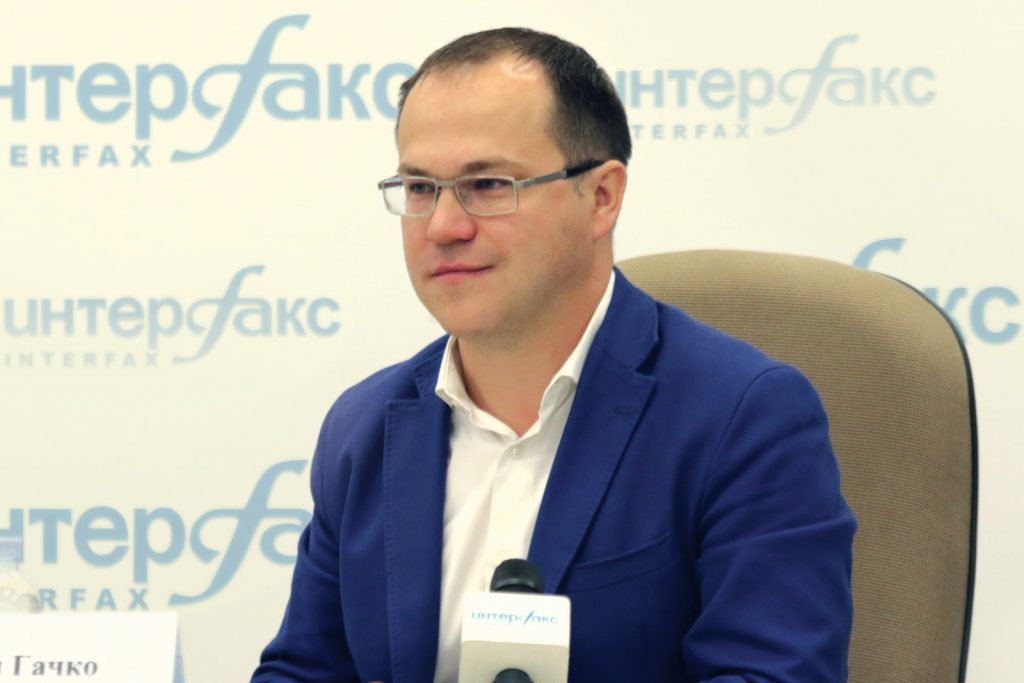
“I never realized it was the time of crisis”, he admits.
That is how IT-GRAD appeared and in fact became the first cloud computing provider in Russia.
After Crimea became part of Russia, IT-GRAD started establishing itself in the peninsular by using, among other things, relatively low – compared to major Russian cities – incomes there.
Dmitry Gachko is certain that one of the reasons behind the Silicon Valley’s success story is the fact it is nice to live in California and people are ready to move there. That is why Crimea has a chance to become a Russian Silicon Valley. So the businessman got an idea of building an IT technology park in Crimea.
For quite evident reasons Sebastopol was chosen as the location for the park. Acceptable urban and social infrastructures including schools and kindergartens may be found in two cities in Crimea, in Simferopol and Sebastopol. But Simferopol is far away from the sea. The entrepreneurs first paid attention to Dialogue business center in Sebastopol, which initially was housing IT Crimea. Yet the construction of the building was not fully completed and its ownership was most intricate. So they chose the highest building in the city, the 70 meters high tower of Radiosvyaz design bureau built in late 1980s, with a total area of nearly 9,000 square meters.
To finance the first stage of the project, Dmitry Gachko got a seven years credit facility of RUR 300 mio ($5 mio) from Crimea’s RNCB Bank. The first stage will not be the last though since it is intended to renovate two nearby buildings (now abandoned) of 3,500 and 21,000 square meters. So over the next two years investments may reach RUR 1 bln ($15 mio).
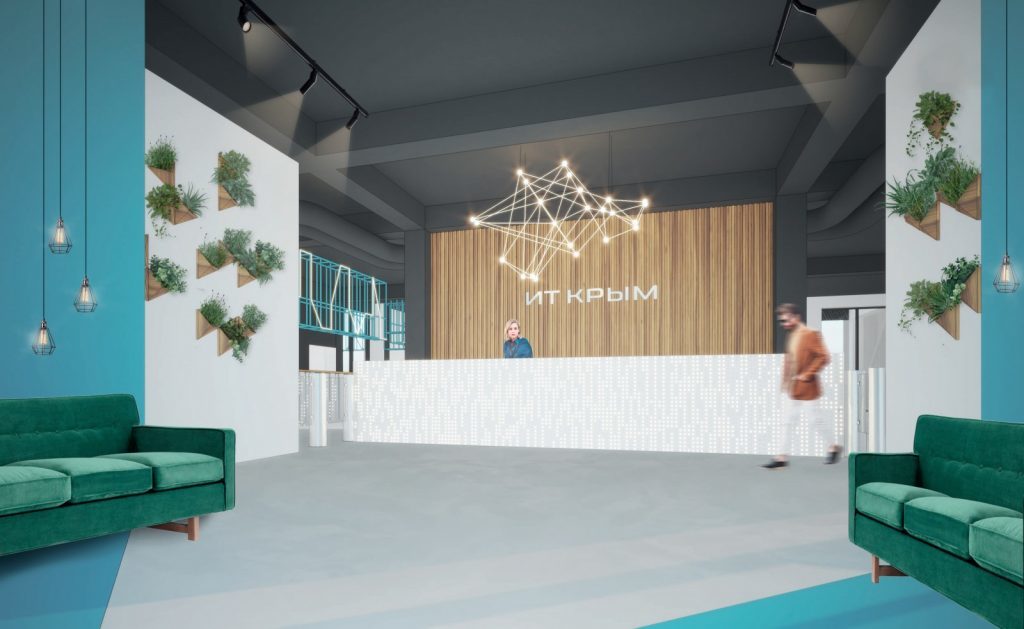
Revenues will be obtained from technology park’s residents’ rent. The technology park will not be just a building intended for lease. The idea is, it will be area specifically intended for the IT business, so requests from representatives of other industries are already being declined by the office center. The universe of the building should be arranged to create the new economy environment. For example, it will not be allowed to separate oneself from the rest of the community by installing thick doors and restricting other tenants’ access to the floor. There will be plenty of areas of common use such as kitchens, food court, fan zones. Outside, there will be a swimming pool and some area for outdoor conferences. On the ground floor, there will be a brewery.
In a while, the site will include a large congress center, sports facilities, and apartments for visitors.
The technology park can certainly be too big for the local IT business of Crimea. Dmitry Gachko hopes though that many Russian IT companies will follow the example of IT-GRAD and set their back offices on the peninsular to be used by their specialists from various regions. So Dmitry is now preparing a landing facility for them. He thinks that thanks to high density of IT professionals in the technology park, an environment will emerge which will promote new projects and startups. Gachko is prepared to invest in those. The smaller one of the three buildings of the future technology park is to become a business incubator.
By Konstantin Frumkin