



Five years ago, prevention for most Russians was reduced to medical examination once a year. Today the situation has changed: people are more likely to pass checks, monitor deficits, use telemedicine and consider prevention as part of everyday life. At the same time, an independent market for preventive medicine has formed, that is growing due to the development of diagnostics, digital services and nutritional support.
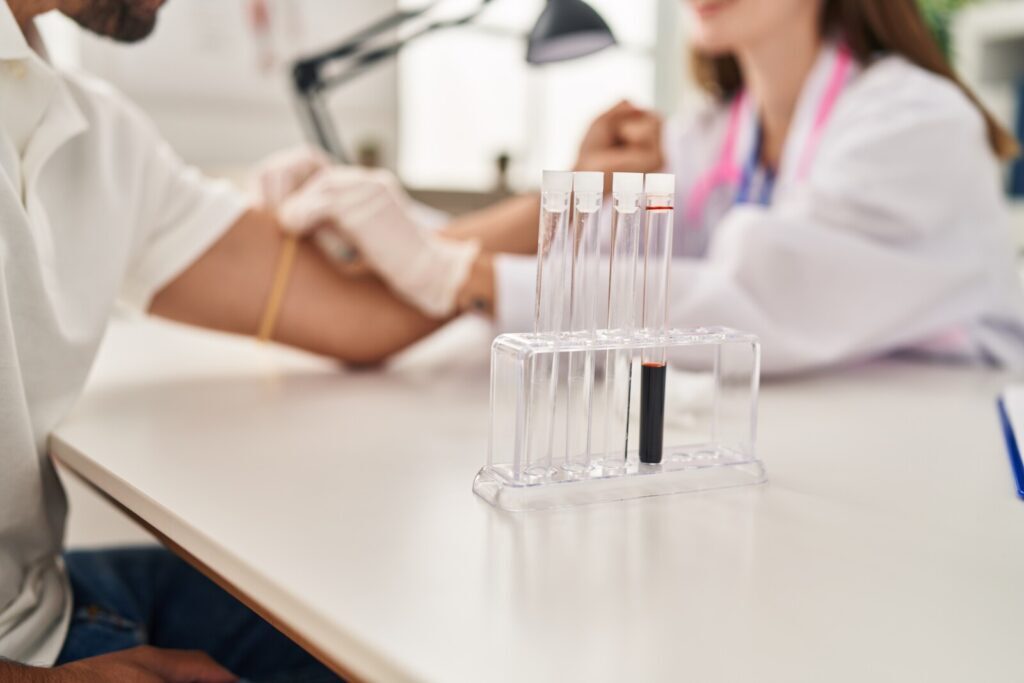
From one-time prevention to constant health care
According to Coherent Market Insights, the global market for preventive medicine in a narrow definition – that is, screening and early detection of diseases, and not the entire wellness industry – is estimated at $439.4 million in 2025. By 2032, its volume should increase to $630.7 million, with an average annual growth of about 5%. The largest market share – 35.6% – is occupied by the screening and early diagnosis segment.
In Russia, this shift is especially noticeable in the market of dietary supplements (BAA), which have become one of the basic tools of a preventive approach. At the end of 2025, the volume of the dietary supplement retail market reached 279 billion rubles, which is a quarter more than a year earlier, and the volume of production increased to 744 million packages.
The main change in recent years is not only in market growth, but also in changing consumer habits. If earlier prevention was perceived as a one-time measure, today more and more people embed it in everyday life, regularly undergo examinations and pay attention to maintaining health until symptoms of diseases appear.
Why preventive medicine is developing faster
The development of the market was the result of several factors at once that strengthen each other.
The first factor was the state. On January 1, 2025, the national project «Long and Active Life» was launched in Russia, its goal is to increase life expectancy to 78 years by 2030 and to 81 years by 2036. Only for 2025, about 500 billion rubles were provided for the implementation of the project. This has become one of the most noticeable signals that public policy is gradually shifting from treating diseases to preventing them.
The second factor are changes in regulation. On September 1, 2025, the provisions of federal law No. 150-FZ of June 7, 2025 came into force, officially allowing doctors to recommend registered dietary supplements to patients.
The third factor is associated with a change in the behavior of consumers themselves. Russians have become more attentive to their condition, they more often undergo comprehensive examinations and are interested in preventing possible deficits. One of the indicators of this trend was the growth of the average check for vitamins: in the first quarter of 2025 alone, it increased by 10%.
Technology was another factor. Telemedicine and digital services have made preventive consultations much more accessible than a few years ago.
In addition, more employers are incorporating prevention into corporate health programs. This helps reduce the costs associated with temporary disability of employees, and at the same time maintain their performance.
What consumers are investing in today
Certified dietary supplements with a transparent composition and confirmed origin remain one of the most popular destinations. The growth of the legal market to 279 billion rubles shows that buyers are increasingly choosing products, the quality of which can be checked. An important role in this was played by the state labeling system «Honest Sign» that makes it possible to verify the origin of the product.
At the same time, the criteria for choosing manufacturers are changing. More and more buyers are paying attention to full-cycle companies that independently control the development, production and certification of products. This approach allows to distinguish a product that is fully manufactured and tested within the same company from additives manufactured at contract manufacturing sites.
Technology makes prevention more accurate
The development of preventive medicine today is closely related to digital technologies. The corporate sector is already actively using digital health centers and telemedicine services that help monitor the condition of employees and reduce the number of sick leave notes.
Another important area is the use of artificial intelligence. At the beginning of 2025, the Ministry of Health approved the Code of Ethics for the use of AI in healthcare. Already today, such technologies are used to stratify patients by risk level, monitor psycho-emotional state and analyze large amounts of medical data.
At the same time, personalized and predictive diagnostics are developing. Increasingly, instead of a standard set of studies, genetic testing and advanced biochemical checks are being used to assess individual risks and identify potential problems even before the first symptoms appear.
Telemedicine removes the main barrier
Digitalization has significantly changed the availability of preventive medicine. If earlier, in order to receive recommendations on nutritional support, it was necessary to make an appointment with a specialized specialist and wait for an appointment, today an initial consultation can be obtained remotely.
This is especially important for residents of regions with deficit of specialists. Telemedicine allows you to receive recommendations regardless of where you live, and a doctor can rely on the results of examinations of a particular person, and not use universal schemes. That is why a personalized approach is becoming more and more in demand: without preliminary diagnosis, the choice of vitamins and minerals is often random, and not based on the real needs of the body.
In parallel, the channels for buying products are also changing. For many consumers, marketplaces and manufacturer sites have become the main way to purchase dietary supplements. At the same time, they give access not only to the assortment, but also to detailed information about the composition, certificates and studies carried out.
Despite the active development of digital services, telemedicine does not replace face-to-face medical appointments. Its main task is to reduce the barrier to entering the prevention system: to help a person get an initial consultation, determine the necessary examinations and, if indicated, contact a specialist with ready-made test results. This makes preventive medicine more accessible to significantly more people.

By Vladislav Yudin, CEO of the Russian company for the production of dietary supplements IPSUM