



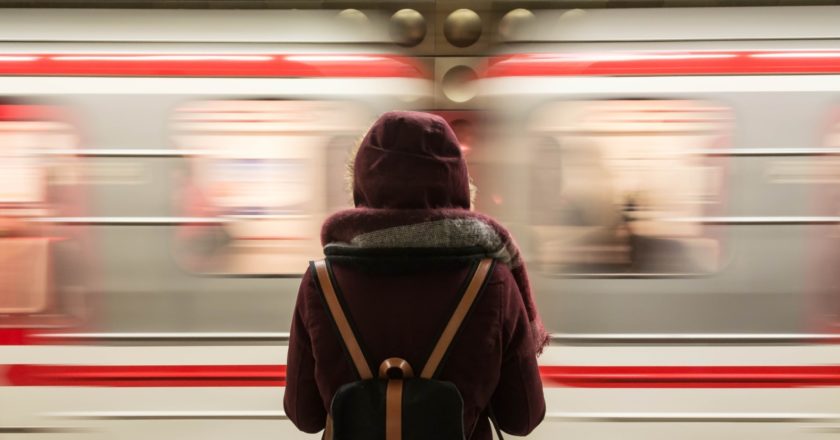
Moscow authorities will spend RUR 1.4 bln ($19.6 mio) to deploy a face recognition system on the metro. The plan is to install more than 12K cameras, eight in each metro car.
By the end of this year, face recognition cameras will be installed in 1.5K cars on the Moscow metro, BBC reports. The cameras will be installed above each door.
The system will be complete with 398 data processing servers. The cameras will be able to capture up to 15 faces per second, while operators will view up to four streams from one train online.
The contract for the system’s development is yet to be awarded. The Moscow Department for Competition Policy has announced a tender. The winning company will sign the contract in early August to complete the project in 180 days – exactly six months.
According to Ilya Samonenko, head of the International Research and Methodology Center at the Higher School of Economics, Deputy Dean of the HSE Computer Science Department, face recognition systems are being improved every day and are effective enough if there is a high-quality face image. The system can instantly identify the person, he told Invest Foresight.
Face recognition systems can basically do two things. They can either search for a specific person based on their image, or they can identify all people on the camera. According to the expert, the first option sounds more realistic and can be used to track a criminal if the authorities have their photo. The second routine requires a database of all passengers riding the metro. Wearing sunglasses or a mask will make recognition difficult or even impossible.
Kirill Kosolapov, expert of the International Research and Methodology Center at the Higher School of Economics and Data4 CEO, commented that millions of images would be required to train the facial recognition system. This huge number of photographs would allow creating a quality system that can perform continuous identification of the passenger traffic.
“This is how facial recognition systems work. Cameras capture the video consisting of individual photographs. The algorithm searches for a face in each of these photographs and creates an impression, a series of digits describing the face of a specific person. This impression is stored in a database. If this person is captured by the camera again (for example, in a store or on the metro) the algorithm will create a new impression and match it with the old one. As a result, the system can determine whether it is the same person or not,” the expert noted adding that this is how identities are verified.
The expert said that the facial recognition system of the Moscow Metro will likely be connected to a criminal database, which should make it easier for the police to spot criminals. Additionally, the system will be able to trace COVID-19 patients who are not observing quarantine. Moscow authorities will also be able to analyze passenger traffic to see where people work and at which stations they exit. This data can be used for infrastructure projects.
Finally, Kirill Kosolapov noted that it is unlikely that the system will search for people using Google Images or social networks as the government already has enough databases.