



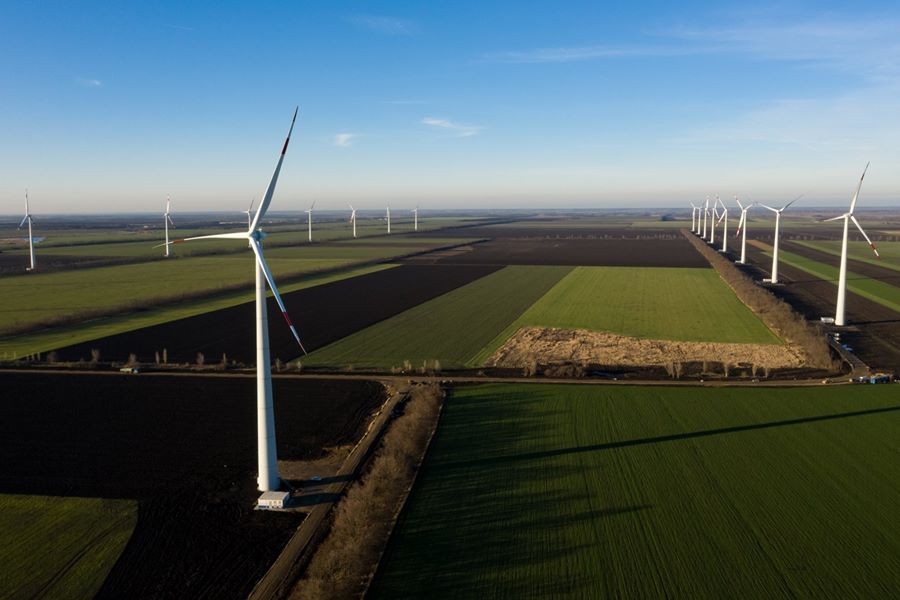
Since May 2020, the pet food company based in the Vorsino industrial park (Kaluga Region) has been using only renewable energy to power is production facilities.
Throughout the year, the factory will use at least 50 mio kWh of wind-generated electricity. This transition to renewable energy will allow reducing carbon emissions by 20.5K tons per year, which, in turn, will contribute to Nestle’s global commitment to minimizing the impact of its production facilities on the environment by 2030.
The shift to the exclusive use of renewable energy sources is in line with the requirements of RE100, an organization that brings together over 100 largest companies around the world that are striving to use renewable energy.
In addition to using wind energy, the Nestlé Purina PetCare factory in Vorsino is involved in other environment-oriented projects aimed at climate-neutral production. In July 2017, the company achieved zero amount of the production waste that ends up in landfills. The company’s programs focus on rational use of water resources and cutting the amount of used packaging (including plastic). In 2018, the amount of packaging materials used was reduced by 265 tons. The company plans to completely shift to recyclable packaging by 2025.
The Nestlé Purina PetCare pet food factory in the Kaluga Region was founded in 2007. Being the largest of the 13 Purina factories in Europe, it produces 95% of the Purina products available in the Russian market. The factory in Vorsino is responsible for the entire range of Purina products under such brands as Gourmet, Felix, Purina One, Pro Plan, Friskies, Darling, Cat Chow and Dog Chow. The products are exported to 14 countries in Europe and the CIS. As of the end of 2019, the total amount of investment into the production reached RUR 22 bln ($317 mio).