



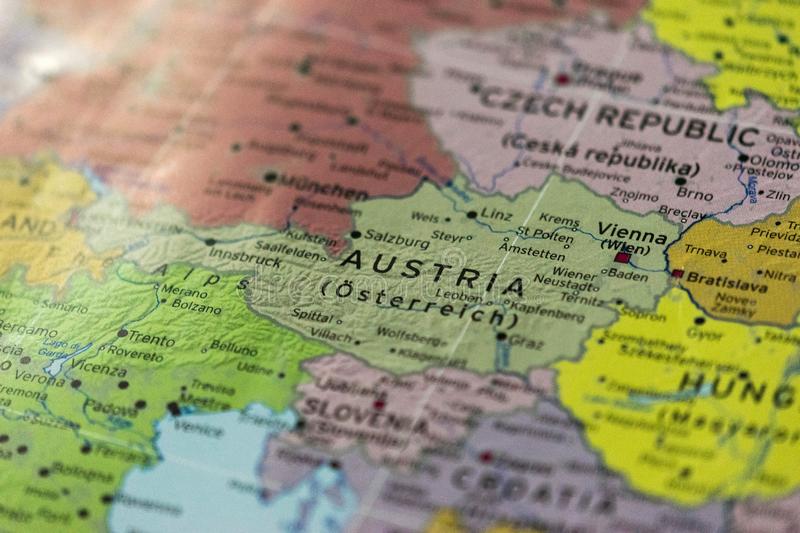
An extended political impasse in Austria after this September’s elections risks delaying reforms needed to address the country’s medium-term credit challenges, even though today’s economic and fiscal fundamentals remain robust, Scope Ratings agency says.
Public opinion appears unaffected by recent political events, likely reflecting the receding migration crisis and robust economic fundamentals. Economic growth is expected to remain steady at around 1.5% this year, despite a weakening external environment. The labor market is healthy, approaching full employment with robust wage increases. Public finances are improving, with the public debt-to-GDP ratio declining rapidly from a peak of 84.7% in 2015 to below 70% this year and, based on IMF projections, is expected to fall further to around 60% by 2024.
Still, as highlighted in Scope’s latest rating report on Austria, medium-term challenges need to be addressed, such as the fiscal impact of Austria’s ageing population, including growing healthcare and pension liabilities, the country’s rather unfriendly labor-taxation system and its complex federal fiscal structure, which gives regional and local governments poor incentives to contain costs. For this reason, the prospect of prolonged uncertainty regarding the configuration of Austria’s next government and the resulting policy reform stalemate matters from a credit perspective.