



Import substitution in the agricultural industry has ceased to be a mere crisis-management measure. Today, it serves as the baseline from which the industry must launch into its next phase of development. The danger of the current agenda lies in reducing all efforts to merely patching up “import gaps,” without questioning whether these import-substituted products and technologies will remain competitive in the long term.
A completed phase
The departure of foreign companies from the Russian market posed a severe challenge to the agricultural industry but simultaneously provided an impetus for accelerated transformation. Within a tight timeframe, the industry had to restructure supply chains, adopt new technological solutions, and rapidly scale up its own expertise.
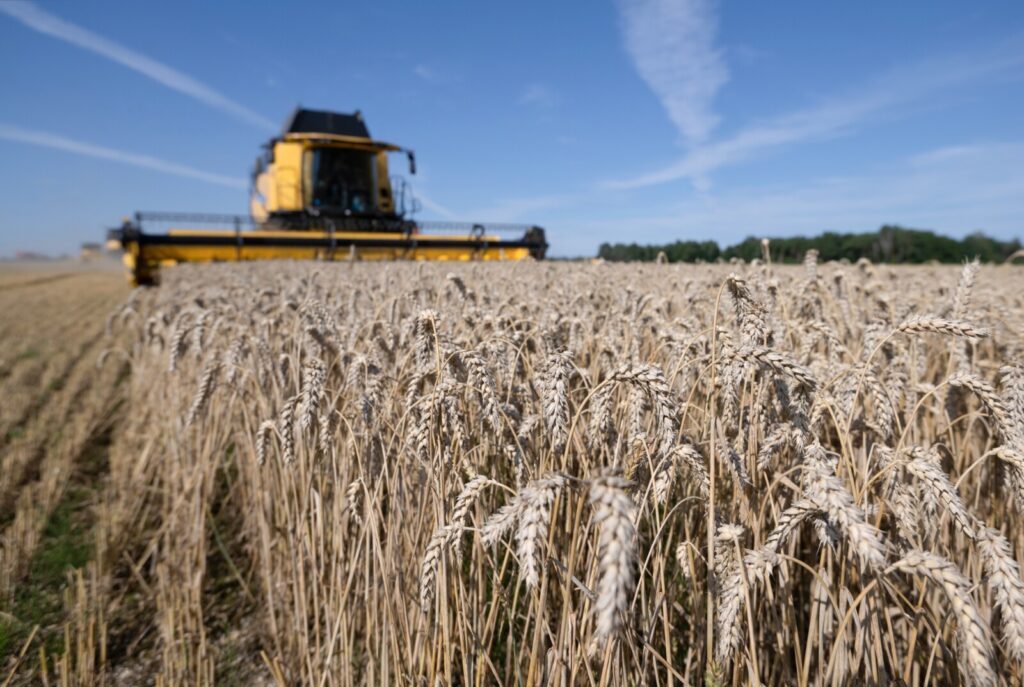
Today, this stage has largely been overcome: the number of domestically developed products is growing, Russian hybrids are gaining market share, and homegrown solutions are emerging in agricultural machinery and crop protection. This trend is particularly evident in segments dominated by large agricultural holdings. For several key crops – including wheat, corn, sunflower, soybeans, and sugar beets – major producers account for 60–70% of the cultivated area. These companies were the first to gain access to the resources, infrastructure, and government support needed to rapidly replace imported technologies.
However, import substitution alone does not ensure the long-term sustainability of the industry.
Import substitution is not the ultimate goal
Nor should it be viewed as an end in itself. Measuring success solely in terms of output volumes and budget funds spent provides too narrow a picture. Companies are quick to report that targets have been met and allocated funds utilized, but this approach creates the risk of developing products that may soon need to be replaced because they fail to keep pace with global trends. Russian agriculture has long moved beyond purely domestic competition. Agricultural holdings and even individual farmers sell their products on global markets and therefore have to meet international standards.
One of the most important requirements is continuously improving agricultural efficiency. In many South American countries, for example, potatoes or tomatoes can be harvested three or four times a year. To remain competitive, Russian producers must therefore pursue technological breakthroughs capable of delivering comparable gains in efficiency.
The key question is not whether Russia can replace imported products today, but whether it can develop solutions capable of replacing them five or ten years from now. This applies not only to hybrids, but also to agricultural technologies more broadly. Both require years of research and development.
When developing new solutions, several key factors need to be taken into account:
- Global demand: which products are likely to be sought after in major importing countries.
- Processor requirements: for example, the food industry is showing growing demand for high-oleic sunflower oil, which is suitable for repeated frying.
- Export opportunities: India, Türkiye, and Azerbaijan are promising markets, although demand there often centers on crops that are not traditionally widespread in Russia, such as chickpeas and lentils.
- Support for high-tech manufacturing: truly competitive products originate not in the fields, but in laboratories and design bureaus.
- Changing consumption patterns: emerging food trends and dietary habits need to be anticipated rather than simply followed.
Taken together, these factors suggest that Russian agriculture needs to remain integrated into the global market – not only in terms of food products, but also in technology.
There is no reason to avoid cooperation with pragmatic Western companies that possess technologies Russia needs. In some cases, exchanging raw materials for access to such technologies may be a viable option, as it has been in the past.
There is no reason to avoid cooperation with pragmatic Western companies that possess technologies Russia needs. In some cases, exchanging raw materials for access to such technologies may be a viable option, as it has been in the past. Scientific knowledge cannot develop in isolation within the borders of a single country. Researchers working on hybrids, crop protection products, and plant growth stimulants need opportunities for international internships and the exchange of expertise.
Tomorrow’s exports are being shaped today
Developing a new hybrid takes far more than a single growing season. Years can pass between the initial concept and widespread commercial adoption, which means that decisions made today must be based on a long-term view of the market. The development of confection sunflower varieties and new legume crops are good examples. Expanding the area planted with chickpeas and lentils, for instance, can lay the groundwork for future exports.
At the same time, it is important to recognize the differences between individual market segments. While large agricultural holdings dominate grain and oilseed production, small farms and private households account for the bulk of vegetable and berry production – up to 70-90%. Small producers therefore also need access to technologies that can improve their efficiency. For now, many are forced to rely largely on their own expertise, including practices inherited from the Soviet era, which do little to promote the development of solutions capable of staying ahead of imports.
Import substitution should not be seen as a finish line that everyone is racing to cross. Rather, it marks the beginning of a new stage in the development of the agricultural sector. The goal at this stage is to develop, test, and bring to the global market products and technologies capable of meeting tomorrow’s challenges. Achieving this requires a long-term strategy: anticipating emerging trends, supporting small businesses, investing in skilled professionals, and cooperating with partners. Only this approach will enable Russian agriculture not merely to adapt to the new environment, but to secure a sustainable position in the global economy.
By Grigory Kukharenko, expert in plant breeding and agricultural technology