



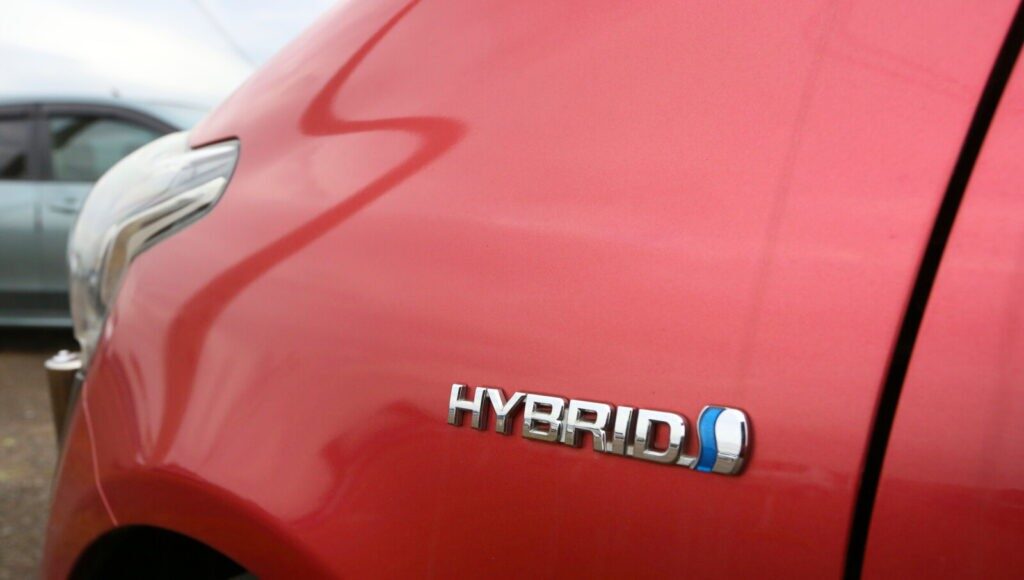
Sales of electric and hybrid vehicles in Russia have recorded a sharp increase. Last week, 1,754 vehicles equipped with hybrid powertrains were registered, representing a 50% increase over this year’s average weekly sales volume.
According to Autostat, the most sought-after hybrid models currently include the Evolute i-Space, Geely EX5 EM-i, Voyah Free, GAC S7, and Exeed Exlantix ET. Despite variations in powertrain architecture, most of these vehicles share a highly practical approach to operation. They allow drivers to rely on electric propulsion for daily urban commuting while retaining the capacity for long-distance travel without being dependent on charging infrastructure, explains Alexei Ivanov, owner of the Alliance Trucks commercial vehicle dealership network.
“Government incentive programs remain in place for certain models subject to specific criteria, which further enhances their appeal to buyers. Concurrently, manufacturers are gradually expanding their lineups of alternative powertrain vehicles, although supply in certain segments remains limited for the time being,” the expert notes.
According to his data, consumer interest in battery electric vehicles (BEVs) also continues to expand. However, growth rates in this segment depend heavily on model availability, the expansion of charging infrastructure, and the further development of service and maintenance networks.
“The choice between a hybrid and an electric vehicle today is largely dictated by the vehicle’s operational profile. For drivers who regularly combine urban commuting with intercity routes, a hybrid often emerges as the most versatile solution. It reduces fuel consumption in city traffic while eliminating dependence on charging stations during long-distance trips,” the entrepreneur explains. “A pure electric vehicle is most practical for predominantly urban operation, particularly if the owner has the option to regularly charge the vehicle at home or at the workplace. In major cities, existing regional support measures, where available, can provide an additional incentive for buyers.”
The market is becoming increasingly segmented. Hybrid vehicles are gaining popularity among consumers who value versatility, while electric vehicles are attracting buyers with access to charging infrastructure who primarily drive in urban areas. According to Alexei Ivanov, the future growth of both segments will depend on the pace of charging network expansion, the launch of new models, the overall cost of ownership, and the continuation of government support programs.