



Modern industrial tourism has evolved far beyond the dull school excursion and become a powerful tool for brand building, where the factory floor acts as a high-tech theater. This was highlighted by Nikita Bakcheyev, Managing Partner of the Promplan Group.
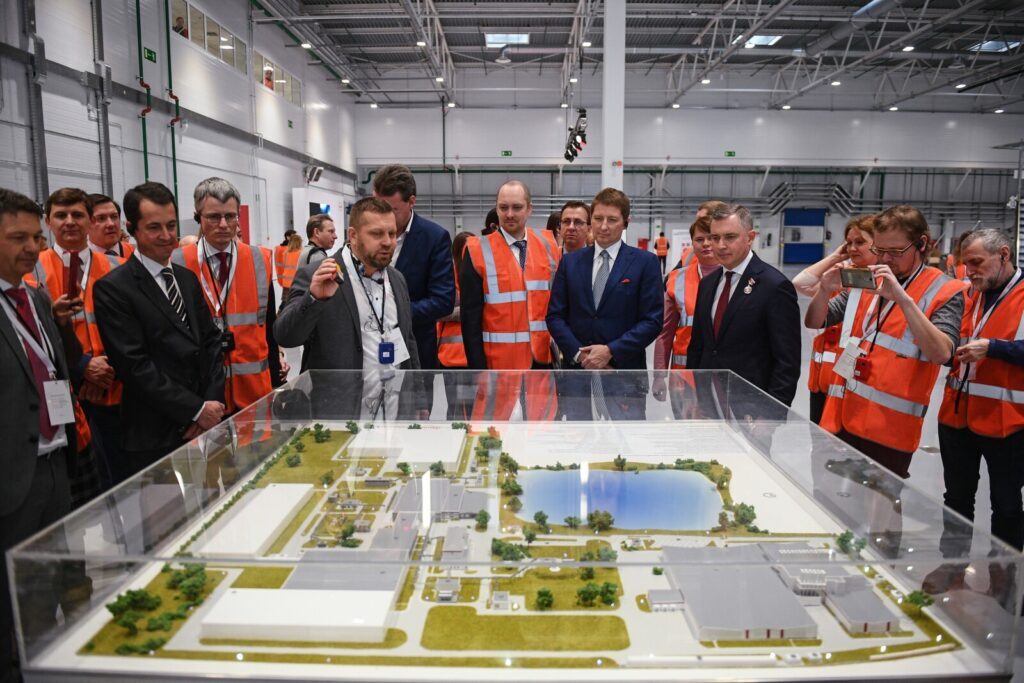
According to Bakcheyev, in 2026, both consumers and investors are no longer looking for just a product – they want a story and absolute transparency. The ability to see the “inner workings” of production has become a new form of loyalty. By opening their doors, enterprises transform cold assembly lines into aesthetic lifestyle destinations, where welding sparks and the precise rhythms of robots become just as captivating as contemporary art spaces.
This shift turns a closed-off industrial zone from a “gray blot” on the city map into a vibrant point of attraction, proving that an industrial giant can be clean, innovative, and genuinely stylish.
Beyond image-building benefits, integrating tourism into industrial development addresses fundamental business challenges – from attracting investment to competing for top talent, the expert notes. When a potential resident or future engineer sees the modern infrastructure of a private industrial park firsthand, any promotional brochure becomes secondary.
“Industrial tourism acts as a form of ‘soft power,’ showcasing technological superiority and work culture, ultimately turning an ordinary factory into a recognizable brand and a source of regional pride,” emphasizes Nikita Bakcheyev. “By creating conditions for open dialogue through tours, management companies and asset owners aren’t just entertaining the public – they are building a living community around production, transforming the industrial landscape into a promising and accessible asset for everyone.”