



The country’s industrial landscape is changing rapidly: old giant factories with outdated engineering and inefficient logistics are being relocated outside of megacities, making way for a new type of industrial environment, notes Nikita Bakhcheyev, Managing Partner of Promplan Group.
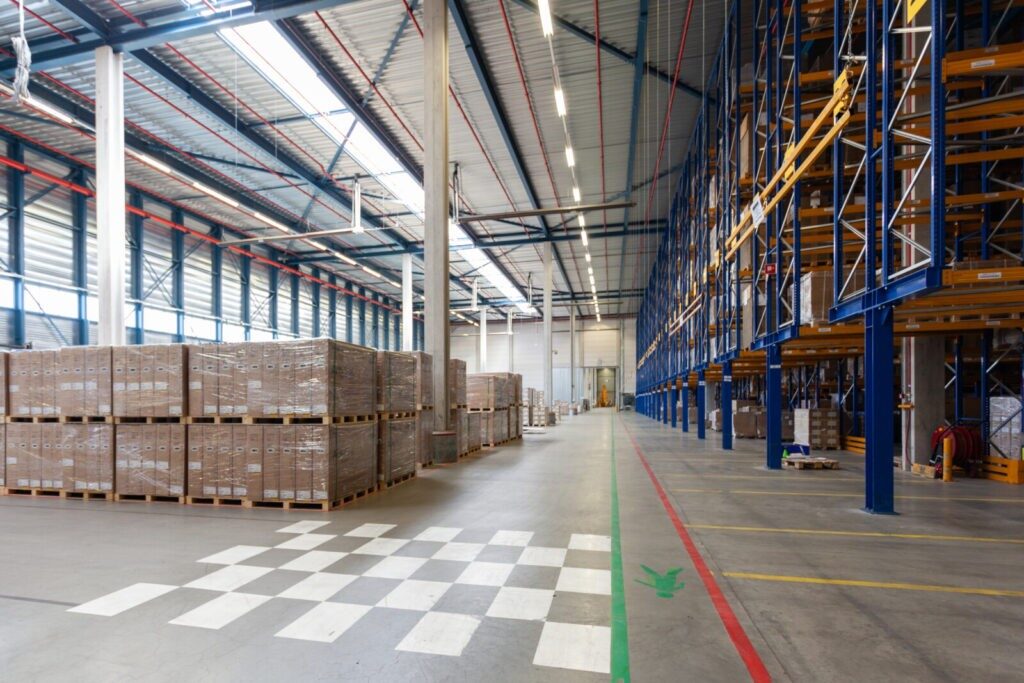
Today’s industrialists are “people with a big suitcase” – they enter a site with a planning horizon years in advance and are looking not just for a warehouse or hangar, but for an ecosystem capable of supporting growth. They require seamless integration into the technological chain: from access infrastructure and energy reserves to organized transport for qualified personnel. Manufacturing can no longer exist in isolation. It needs an environment where launching and scaling up do not become a struggle against external circumstances, and where the logistics of materials and human resources operate as a single mechanism.
This is how modern industrial parks are becoming “cities within a city” – transport and logistics hubs with a full range of services. Their key advantage is format flexibility. You can enter via a civilized lease of ready-made, heated premises with instant connection to all utilities, or you can build your own workshop on a site with existing network connections, the expert explains.
“A clear example of this approach is a turnkey solution – a production and warehouse complex starting at 500 square meters with a full heating circuit, built in four months. This is no longer a protracted construction project, but a tool for synchronizing production launches with market conditions,” emphasizes Nikita Bakhcheyev. “The symbiosis of rapid development, well-planned logistics, and social infrastructure is creating a new reality where the architecture of concrete boxes is being replaced by the architecture of economic and human connections.”