



 This story initially appeared in East-West Digital News, an international news resource covering the Russian innovation scene.
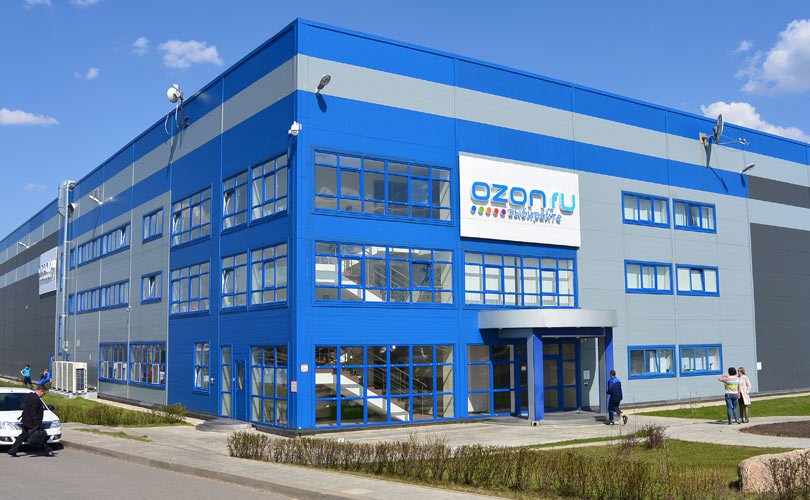
Ukrainian Internet users have been blocked from accessing three popular Russian online stores: Ozon.ru, LitRes.ru and Labirint.ru. The ban followed a recent decision by Ukraine’s National Security and Defense Council (NSDC) that expands the list of legal entities under economic sanctions which, among other things, include limitations on their commercial activity and a prescription to block access to their websites by Ukrainian Internet providers.
“Ukrainian customers used to have an opportunity to buy goods on Ozon.ru and order their delivery to Ukraine by third-party providers. Our company does not have its own departments, warehouses, or legal entities in Ukraine. The share of Ukrainian sales in our company’s revenues is really tiny; however, we are very sorry that tens of thousands of people may be deprived of an opportunity to purchase high-quality goods from our platform. Any limitations on customers’ choice are always negative,” Ozon said.
LitRes, a property of Ozon, also says it will not be affected significantly by the Ukrainian decision: “At present, Ukrainian sales of the LitRes group of companies only account for less than 2%. Therefore, the sanctions will hardly affect our revenues,” LitRes GM Sergei Anuryev was quoted as saying.
Even though President Poroshenko’s decree came into effect on March 21, the targeted websites of the online stores were still accessible in Ukraine early this week.
Reksoft, one of the leading Russian software development firms, has also been included in the sanction list, along with several major Russian publishing houses. Thus, Algoritm, Eksmo-AST, Knizhny Mir, Piter, Veche, Tsentrpoligraph and Yauza will no longer be allowed to sell their books in Ukraine.
The NSDC’s decision was enacted by a special presidential decree, which provides for restrictions on trading activity, suspension of economic and financial obligations, measures to prevent capital withdrawal, etc.
By now, Ukraine has imposed sanctions on 848 individuals and 294 legal entities in Russia, which, in particular, disseminate print materials that Ukrainian authorities have judged to be “anti-Ukrainian.”
As reported earlier by Ukraine Digital News, Mail.Ru Group lost 1.5% its annual revenue after being banned in Ukraine in May 2017. Several other top Russian websites, including properties of Mail.Ru Group’s rival Yandex, were also blocked by a presidential decree at that time.
By Stanislav Martynyuk