



Artificial intelligence (AI) is increasingly being used in various areas of our lives, and managing urban infrastructure is no exception. One of the promising areas for the use of AI is the quality control of roads and the maintenance of courtyards. This approach has both pros and cons.
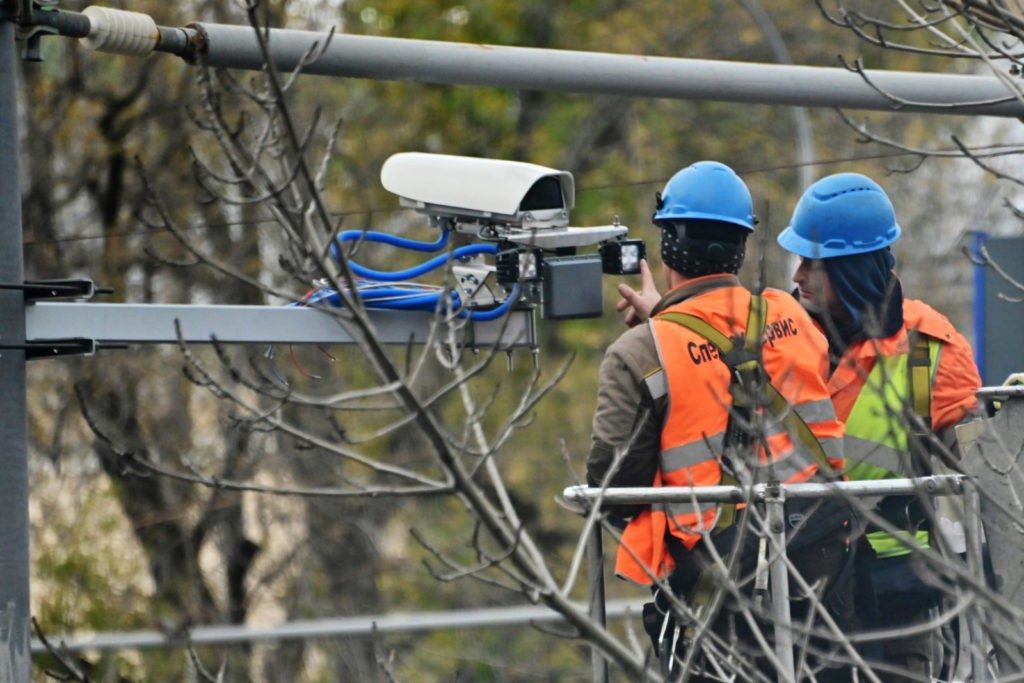
Among the advantages of using AI in road and yard maintenance processes there are automation and acceleration of the process of monitoring the condition of the roadway and infrastructure elements, the ability to cover large areas without attracting significant human resources, objectivity of assessment and a decrease in the influence of the human factor. AI allows you to identify defects quickly and take timely measures to eliminate them, as well as accumulate and analyze data to optimize the processes of road maintenance and repair.
However, there are also disadvantages to using AI, such as the high cost of implementing and maintaining systems, the need for highly qualified specialists to develop, configure and support them.
The quality of the AI depends on the completeness and accuracy of the training data based on which it makes decisions. There are risks of errors and inaccuracies in the recognition of defects, especially in difficult weather conditions or in the presence of atypical damage. In addition, there are issues of ensuring information security and protection of personal data.
In Russia there are already examples of the use of AI in the field of public transport and road management. In Arkhangelsk, a road quality control system has been introduced based on the analysis of the video stream from cameras installed on buses. In St. Petersburg, the Smart Road project is being implemented, where AI analyzes data from surveillance cameras to control yard cleaning. AI is also used in traffic forecasting systems, optimization of traffic lights and automatic detection of roadway defects.
AI defect detection technologies on the road network are usually based on the analysis of images or video streams obtained from cameras installed on cars or stationary objects. Neural networks and machine learning algorithms process visual data by isolating and classifying various types of defects, such as pits, cracks, markup destruction, etc. AI can effectively identify potholes, breaks in asphalt pavement, cracks and chips of various sizes, destruction of road markings, damage to road signs, traffic lights, fences, as well as the presence of foreign objects and debris on the roadway and roadsides.
The example of the use of AI in Arkhangelsk demonstrates the potential of such systems to increase the efficiency of road monitoring. However, they require careful technology selection, model training, and integration with existing infrastructure management processes. With competent implementation, AI can become a valuable tool for improving the quality of roads and the urban environment, but it is necessary to take into account the possible risks and limitations associated with its use.

By Yuri Vanin, Director of the Department of Road Transport Construction, SATEL