



The jewelry market is entering a new phase of development. Regulatory changes, under which laboratory-grown stones can no longer be positioned on equal footing with natural diamonds, are becoming more than just a matter of terminology. The market is gradually returning to a more transparent understanding of the value of precious stones, and these very changes are poised to influence both consumer preferences and the structure of demand.
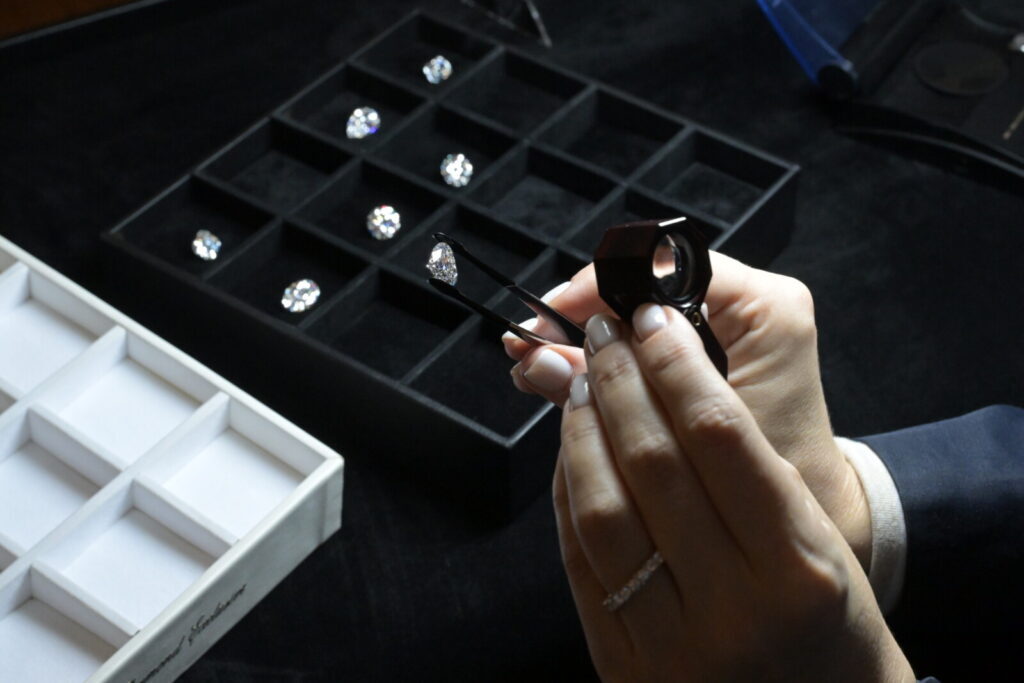
New rules for the jewelry market
Just a few years ago, laboratory-grown stones became one of the fastest-growing segments of the global jewelry industry. Manufacturers actively promoted them as a more affordable alternative to natural diamonds, emphasizing their visual similarity and significantly lower cost. For the mass-market consumer, the distinctions between the two categories gradually blurred.
Today, the market is beginning to move in the opposite direction. Regulators are seeking to draw a clearer line between natural and grown stones, as these are two fundamentally different product categories that differ in their origin, supply scarcity, and market value.
Why origin has become the decisive factor
The primary reason for this separation is not the chemical composition of the stone. Laboratory-grown and natural diamonds do indeed share a similar structure, yet the economics of these products are fundamentally different.
The value of a natural diamond is shaped not only by its characteristics but also by the scarcity of the resource. Each stone is the result of natural geological processes that took millions of years. Extraction requires significant investment, and supply remains limited.
Lab-grown stones are produced under controlled conditions and can be manufactured in virtually unlimited quantities. As technology advances, production costs continue to decline, inevitably putting pressure on market prices.
Beyond the price tag
This is why the concepts of “price” and “value” are increasingly being distinguished. While price is determined by the current purchase cost, value is linked to a piece’s ability to retain its significance and worth over time.
For natural diamonds, the key factors remain the classic gemological characteristics: carat, color, clarity, cut quality, and the rarity of each individual stone. Large, high-quality, solid stones are particularly sought after, traditionally viewed not only as luxury items but also as long-term assets.
Amid legislative changes, transparency regarding a stone’s origin is becoming increasingly important. While previously many buyers focused primarily on the size of the diamond and the price of the jewelry piece, origin is now emerging as an independent selection criterion.
Shifting buyer priorities
Premium buyers increasingly view jewelry as a long-term investment rather than an emotional purchase. When choosing, they pay attention not only to the design but also to the stone’s marketability, its characteristics, and its potential to retain value in the future.
This trend also impacts the work of jewelry houses themselves. Gemological expertise, careful selection of natural stones, and quality craftsmanship are becoming increasingly important. In the premium segment, value is no longer determined by the size of a piece, but by a combination of factors – the origin of the stone, its characteristics, the complexity of the workmanship, and the durability of the design.
Another trend is a gradual shift away from short-term design decisions in favor of classic styles. Jewelry is increasingly seen as a family heirloom to be passed down to future generations, rather than a one-season accessory.
A market divided
The market will likely split into two distinct segments. Lab-grown stones will retain their position in the affordable jewelry category, where price remains the deciding factor. Natural diamonds, on the other hand, will gradually strengthen their status as a rare asset, with value determined by limited supply, quality, and the ability to retain worth regardless of changing fashion trends.
It turns out that the new regulations are not only changing legal definitions but also creating a new framework for the entire industry. The origin of a stone is becoming as important a factor as its size, clarity, or color. For buyers, this means a more transparent market, and for the jewelry industry, a gradual shift from price-based competition to competition based on the intrinsic value of each piece.

By Madina Abdusalamova, entrepreneur, jewelry designer, and founder of the Karjewy brand